
SPITI Unbound Where the Road Runs Out
Most riders come to India for the altitude. Spiti attracts a different kind of rider entirely — one who has looked at a map, seen the roads marked "seasonal" and "unmetalled", and felt something stir rather than something cautionary. This is a valley that does not reward the cautious. It rewards the curious, the technically capable, and the rider who understands that the finest roads are not always the smoothest ones.
Tucked deep in the trans-Himalayan region of Himachal Pradesh, the Spiti Valley sits at the intersection of the Indian Himalayas and the Tibetan Plateau — a cold desert river valley carved over millennia into a landscape of such stark, alien beauty that it feels less like India and more like the surface of another planet. At an average altitude of 3,800 metres / 12,467ft, altitude is not Spiti's currency. Terrain is. Water crossings that appear without warning. River beds that serve as roads. Trails where the tarmac simply stops and the mountain continues regardless. For enduro riders and off-road enthusiasts, this is not a destination that needs to justify itself — it is the Himalayan experience on its own uncompromising terms.
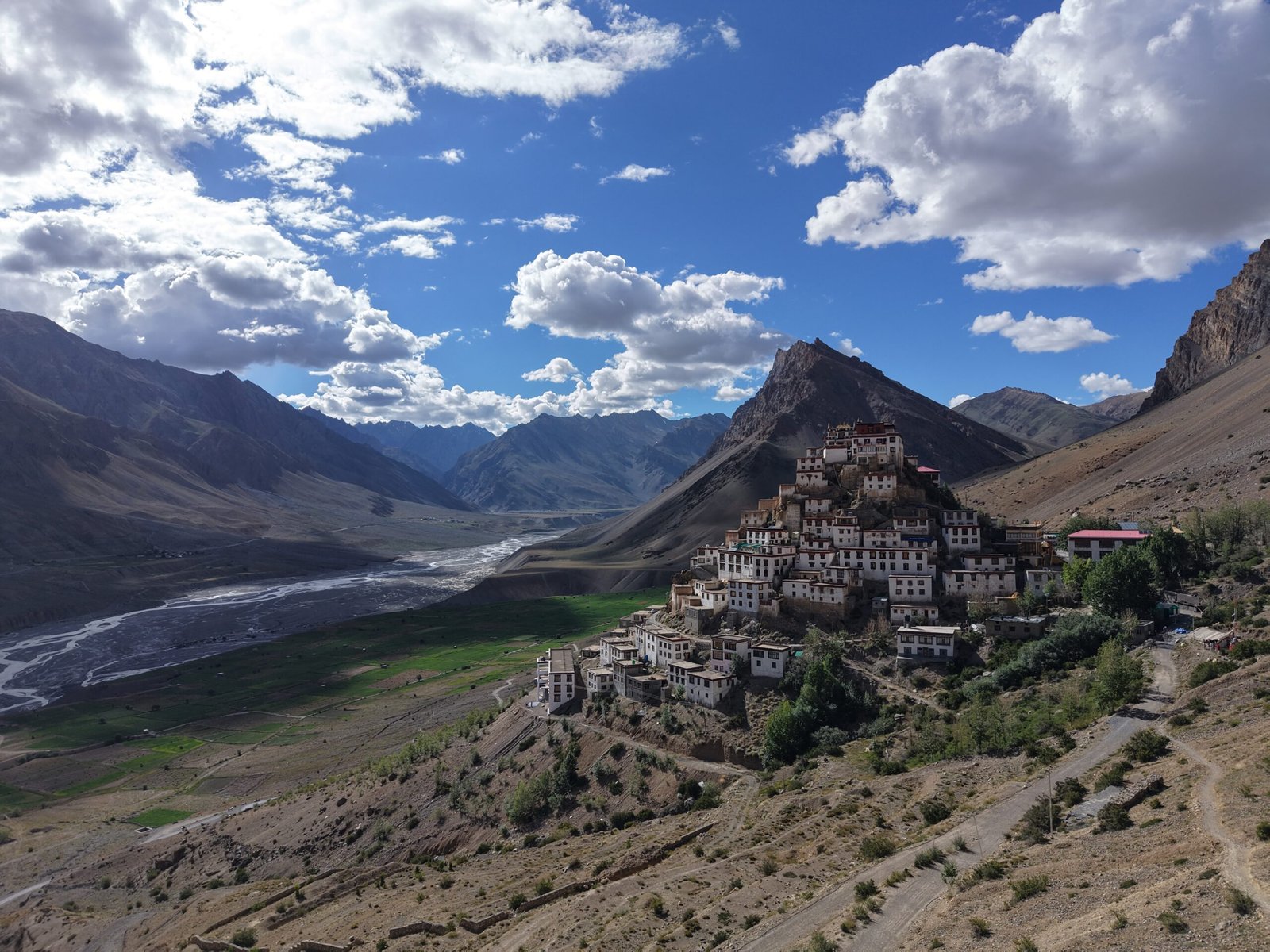
This is also one of the most culturally extraordinary valleys in all of India. Tabo Monastery, founded in 996 AD and still active, is often called the Ajanta of the Himalayas. Dhankar, perched impossibly on a cliff above the confluence of the Spiti and Pin rivers, looks like it was placed there by someone unconcerned with the laws of physics. The world's highest post office sits in Hikkim, at 4,400 metres, and still processes mail. A mummified monk in Gue village, preserved for over five centuries, sits in a glass shrine in a room that visitors can simply walk into. Spiti does not announce its wonders. It places them quietly in the rider's path and waits.
Royal Adventure Moto Tours has ridden every kilometre of this valley — across the river crossings, through the sand stretches, over Kunzum Pass in rain and shine — and built a support structure that means riders can push into its most remote corners with complete confidence. The result is a journey that is equal parts raw adventure and cultural immersion, fully supported throughout, and unlike anything else in the portfolio.
Route highlights: Chandigarh · Narkanda · Kalpa · Kinnaur · Nako · Gue · Tabo · Dhankar · Pin Valley · Mud · Kaza · Hikkim · Komik · Langza · Kibber · Chicham Bridge · Kunzum Pass · Chandratal Lake · Manali · Chandigarh
Best time to ride: June to October
Ride character: Enduro Adventurer — off-road, river crossings, broken trail, tarmac, and everything in between
Cultural highlights: Ancient Buddhist monasteries, cliff-top villages, fossil beds, and the world's highest post office
FULL ITINERARY
Day 1 - Arrival in Chandigarh (Altitude: 365m / 1,198ft)
Chandigarh marks the beginning of the Spiti expedition. The team will be on hand from the moment of arrival to manage transfers, hotel check-in and all final preparations for the journey ahead. The evening brings the group together for a detailed pre-departure briefing — meeting the ride leaders and support crew, reviewing the route, completing the motorcycle handover and going through the safety procedures for the days ahead. This is also the time to make sure everyone is comfortable with the motorcycles and fully prepared for the terrain, altitude and changing conditions that define the road to Spiti. The first night is kept relaxed, allowing riders to rest before the journey into the Himalayas begins in earnest tomorrow.
Day 2 - Chandigarh to Narkanda (Altitude: 2,708m / 8,885ft)
Distance: ~190 kms · Approx. Time: ~6 hrs
The road leaves Chandigarh behind and begins its steady climb into Himachal Pradesh. The landscape changes quickly as the plains give way to forested hills, winding mountain roads and the first dramatic views of the Himalayas. The route follows the Sutlej valley before climbing higher towards Narkanda, a beautiful hill station surrounded by dense cedar and pine forests. The riding is a perfect introduction to the expedition — flowing mountain roads, changing elevations and increasingly dramatic scenery without the extreme altitude still to come. By evening, Narkanda provides a peaceful first night in the mountains, with crisp air and wide views across the surrounding Himalayan ranges.
Day 3 - Narkanda to Kalpa (Altitude: 2,960m / 9,711ft)
Distance: ~165 kms · Approx. Time: ~6 hrs
The journey continues deeper into Himachal as the road follows the Sutlej valley towards Kinnaur. The character of the landscape changes dramatically — deep river gorges, towering cliffs, apple orchards and small mountain villages appearing between long stretches of open road. The route towards Kalpa is one of the most spectacular approaches in the region, with the mighty Kinnaur Kailash range gradually revealing itself above the valley. Kalpa sits high above the Sutlej and offers extraordinary views across the snow-covered peaks. The evening is deliberately unhurried, giving riders time to take in the landscape and prepare for the higher and more remote roads ahead.
Day 4 - Kalpa to Tabo via Nako and Gue (Altitude: 3,280m / 10,761ft)
Distance: ~160 kms · Approx. Time: ~7 hrs
Today the landscape changes completely as the route crosses into the stark, high-altitude world of Spiti. The road climbs steadily through the Kinnaur mountains before reaching Nako, a remote village beside a small high-altitude lake surrounded by barren slopes. From Nako the route continues towards Gue, where the ancient monastery and its remarkably preserved mummy provide one of the journey's most unusual cultural encounters. Beyond Gue, the valley opens into the unmistakable terrain of Spiti — vast brown mountains, deep gorges and almost no vegetation. Tabo is one of the oldest continuously functioning Buddhist monastic complexes in India, and arriving here feels like entering another era entirely.
Day 5 - Tabo to Mud via Dhankar Monastery and Pin Valley (Altitude: 3,810m / 12,500ft)
Distance: ~100 kms · Approx. Time: ~5 hrs
The morning begins with time to appreciate Tabo before the road heads deeper into the heart of Spiti. The route climbs towards Dhankar, where the ancient monastery sits dramatically above the confluence of the Spiti and Pin rivers, seemingly carved into the mountainside itself. From Dhankar the road descends into Pin Valley, one of the most beautiful and remote corners of the region. The valley is known for its stark landscapes, traditional villages and rare wildlife adapted to the harsh high-altitude environment. The ride continues towards Mud, the last inhabited village in the Pin Valley and the gateway to some of the region's most extraordinary scenery. The evening is quiet and remote, with the mountains surrounding the village in every direction.
Day 6 - Mud to Kaza via Key Monastery, Kibber and Chicham Bridge (Altitude: 3,650m / 11,975ft)
Distance: ~85 kms · Approx. Time: ~5 hrs
The road leaves Pin Valley and returns towards the main Spiti Valley before climbing towards some of the region's most famous high-altitude settlements. Key Monastery rises dramatically above the valley and is the largest monastery in Spiti, with centuries of Buddhist history built into its whitewashed walls. From here the route continues towards Kibber, one of the highest inhabited villages in Asia, before reaching Chicham Bridge — suspended high above the dramatic Spiti gorge and offering one of the most spectacular viewpoints of the entire expedition. The final ride into Kaza brings the group to the cultural and administrative centre of Spiti, where the evening is spent relaxing and taking in the atmosphere of this remarkable high-altitude valley.
Day 7 - Kaza Exploration Loop - Hikkim, Komik and Langza (Altitude: 4,400m / 14,436ft)
Distance: ~60 kms · Approx. Time: ~4 hrs
A dedicated exploration day around Kaza takes the convoy into some of the highest inhabited villages in the world. The first stop is Hikkim, home to one of the world's highest post offices, followed by Komik, a remote village perched high above the Spiti Valley and surrounded by vast mountain landscapes. The route then continues to Langza, famous for its giant Buddha statue and fossil-rich terrain where ancient marine fossils can still be found in the surrounding rocks. The short riding distances allow plenty of time to explore, meet local communities and experience the extraordinary stillness of life at altitude. Returning to Kaza in the afternoon, riders have the evening free to relax, explore the local market or simply enjoy the views from the valley.
Day 8 - Kaza to Chandratal Lake via Kunzum Pass (Altitude: 4,551m / 14,931ft (Kunzum Pass))
Distance: ~115 kms · Approx. Time: ~6 hrs
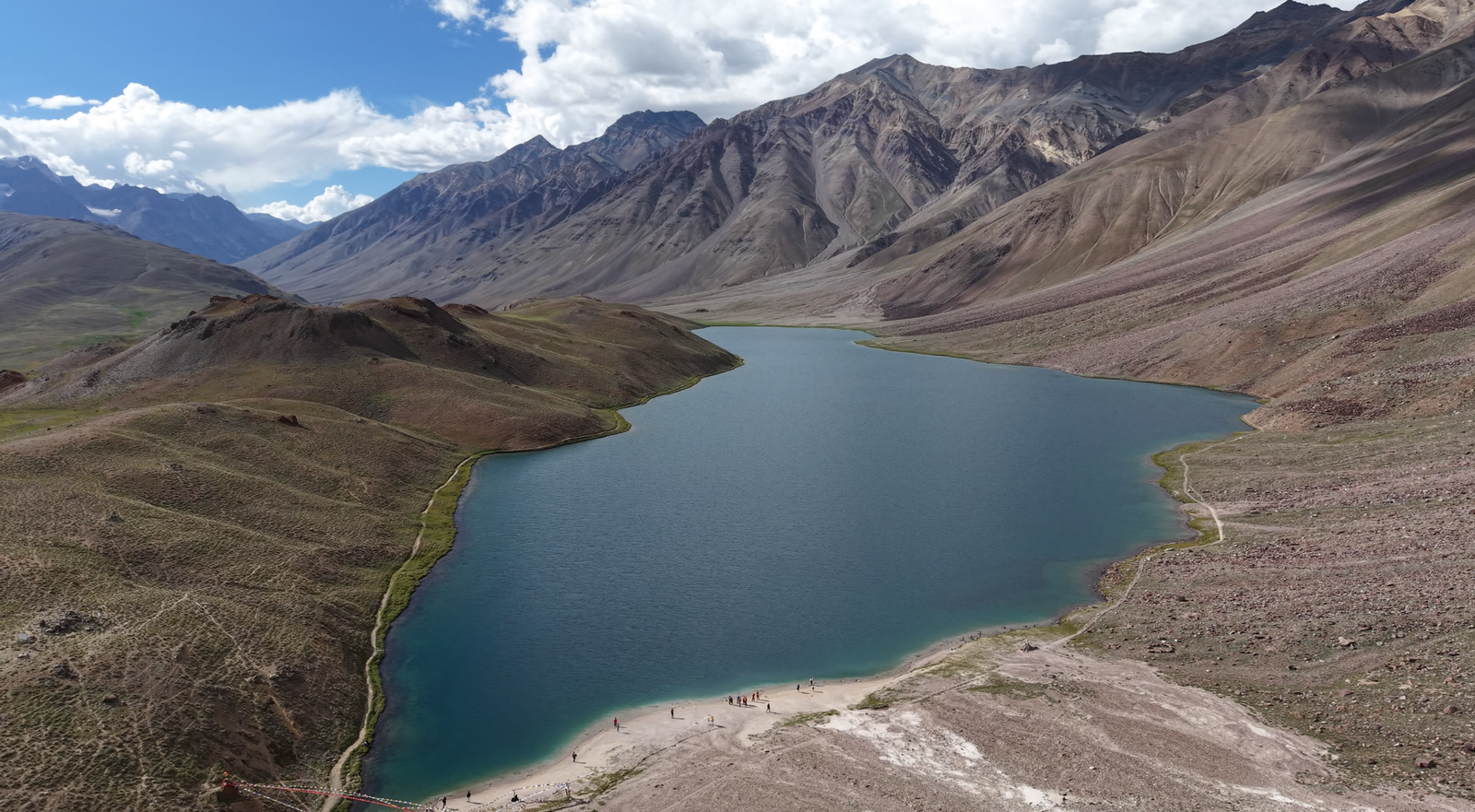
One of the defining riding days of the expedition begins as the road follows the Spiti River upstream towards Losar before climbing towards Kunzum Pass. At 4,551 metres, Kunzum La is one of the great high-altitude crossings of the Himalayas, with prayer flags, stark ridgelines and sweeping views in every direction. From the pass the road descends towards the remote Chandratal basin, where the landscape becomes increasingly dramatic. Chandratal — the Moon Lake — is an extraordinary turquoise body of water surrounded by barren mountains and open sky. The final approach is slow and spectacular, and the evening at camp beside the lake offers one of the most memorable settings of the entire journey.
Day 9 - Chandratal to Manali (Altitude: 2,050m / 6,726ft)
Distance: ~120 kms · Approx. Time: ~6 hrs
The road from Chandratal towards Manali is one of the most adventurous stretches of the expedition. The route descends from the high-altitude desert through remote valleys, river crossings and rugged mountain terrain before gradually entering the greener landscape of the Kullu Valley. The dramatic change in scenery is remarkable — barren Spiti gives way to forests, streams and increasingly dense vegetation as the altitude falls. The road eventually reaches Manali, where a comfortable evening provides a welcome change after the remote camps and high passes of the previous days. Tonight is about relaxing, sharing stories and appreciating how dramatically the landscape has changed in just a few hours.
Day 10 - Manali to Chandigarh (Altitude: 365m / 1,198ft)
Distance: ~310 kms · Approx. Time: ~8 hrs
The final full riding day brings the convoy out of the mountains and back towards the plains. The road follows the Beas Valley before continuing through the changing landscapes of Himachal Pradesh, gradually losing altitude as the Himalayan foothills give way to the plains around Chandigarh. After days spent surrounded by some of India's most remote mountain landscapes, the return to civilisation feels almost surreal. The evening in Chandigarh is reserved for a final celebratory dinner with the entire group — a chance to look back at the passes, valleys, monasteries, lakes and remote villages that have made the expedition what it is.
Day 11 - Farewell – Departure from Chandigarh after Breakfast (Altitude: 365m / 1,198ft · Departure Day)
Breakfast together one final time before departures begin. With the motorcycles returned, luggage packed and contacts exchanged, the expedition officially comes to an end. What remains are the memories of the road — the winding mountain passes, ancient monasteries, high-altitude villages, dramatic river valleys, Chandratal under the open sky and the extraordinary landscapes of Spiti. Transfers are arranged according to individual departure schedules, bringing the journey to a relaxed close in Chandigarh.
WHAT'S COVERED
Inclusions
- Brand new Royal Enfield motorcycle — Himalayan 450cc, Guerrilla 450, Bear 650, or other suitable RE models currently in production — with fuel for the entire official itinerary (model subject to availability and terrain suitability; the team will advise on the best fit)
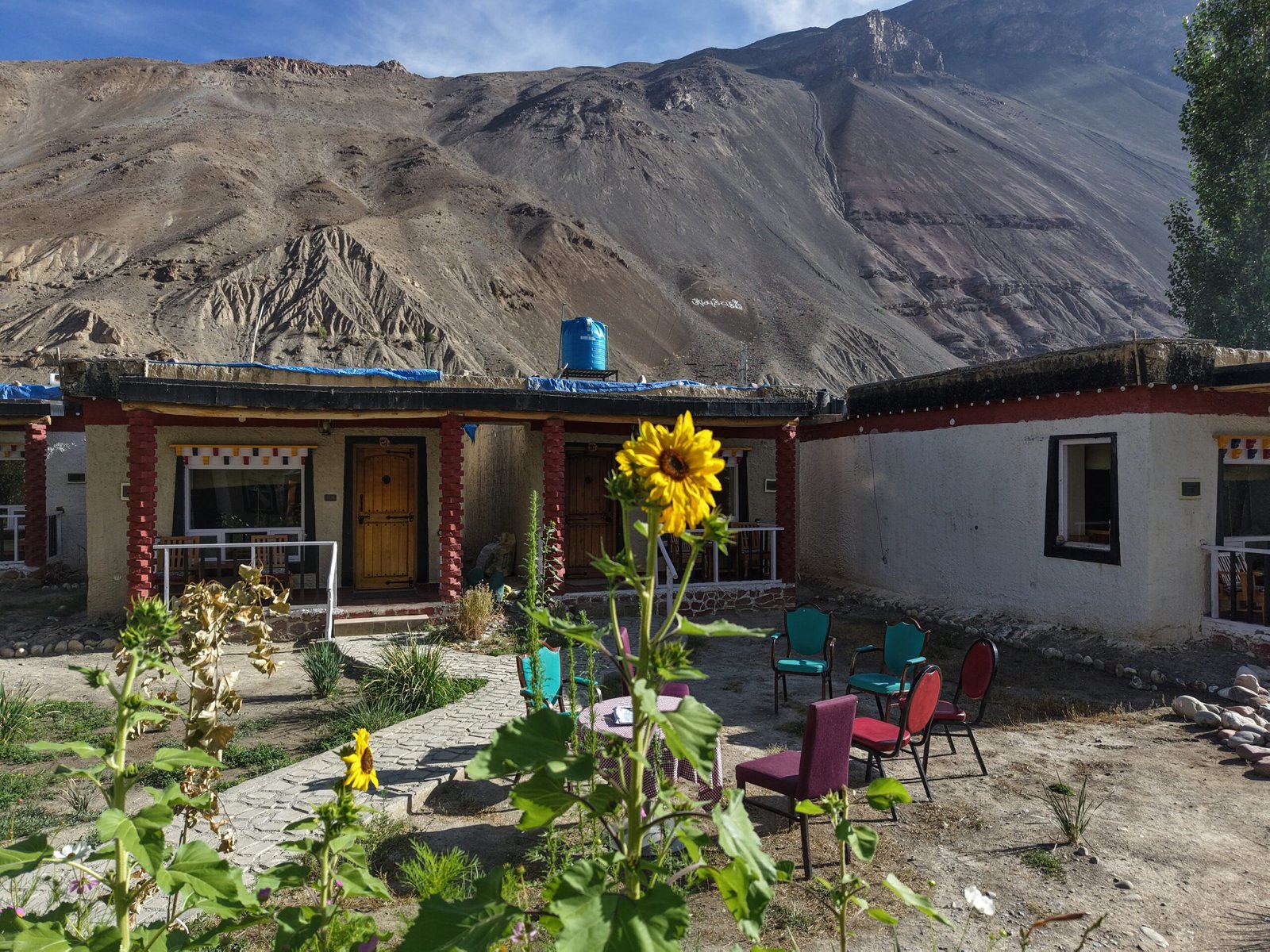
- 10 nights accommodation on a twin-sharing basis in premium handpicked boutique hotels and mountain camps
- All meals — buffet breakfast and dinner — plus lunch, tea, coffee, and mineral water refreshments throughout the ride
- 24/7 dedicated medical support with a full-time professional medic accompanying the convoy, carrying emergency medical and oxygen kits
- Complete mechanical support by certified Royal Enfield specialist technicians, with a dedicated luggage and spares vehicle
- All restricted area Protected Area Permits, road taxes, green taxes, and entry tickets to monasteries and monuments
- Creative team — photographer and videographer with drone — capturing personalised photos and video of the entire ride
- Customised ride T-shirts and exclusive Royal Adventure Moto Tours memorabilia
- Experienced ride leaders guiding the group through every section — including off-road, river crossings, and no-road stretches
- Backup vehicle available for family or friends travelling as non-riders (on request)
Exclusions
- Personal riding kit — armoured jacket, trousers, helmet, gloves, and boots
- Personal expenses, tips, souvenirs, and laundry
- Any costs arising from unforeseen conditions — landslides, weather-related road closures, additional accommodation or flight bookings
- Visa costs, international flights, and alcohol
- Comprehensive personal travel and medical insurance — mandatory, and must be purchased in the UK prior to departure
- Fully refundable motorcycle security deposit of £200, payable at the pre-departure briefing
- Applicable GST (Indian tax) on tour services
- Anything not explicitly listed under Inclusions above
A Word on Care
Spiti is not a valley that forgives under-preparation. The river crossings are real, the road surfaces are uncompromising, and the remoteness — particularly in Pin Valley and on the approach to Chandratal — means that self-sufficiency matters. Royal Adventure Moto Tours has built every element of the support structure around that reality: a medical professional who rides with the group, mechanical specialists who know the Himalayan 450 in these conditions intimately, and ride leaders who have served every river and navigated every broken section on this route across multiple seasons. Riders are free to push as hard as the terrain allows — because the safety net is already in place.
You Might Also Love
More
Journeys Crafted
for Curious Travelers
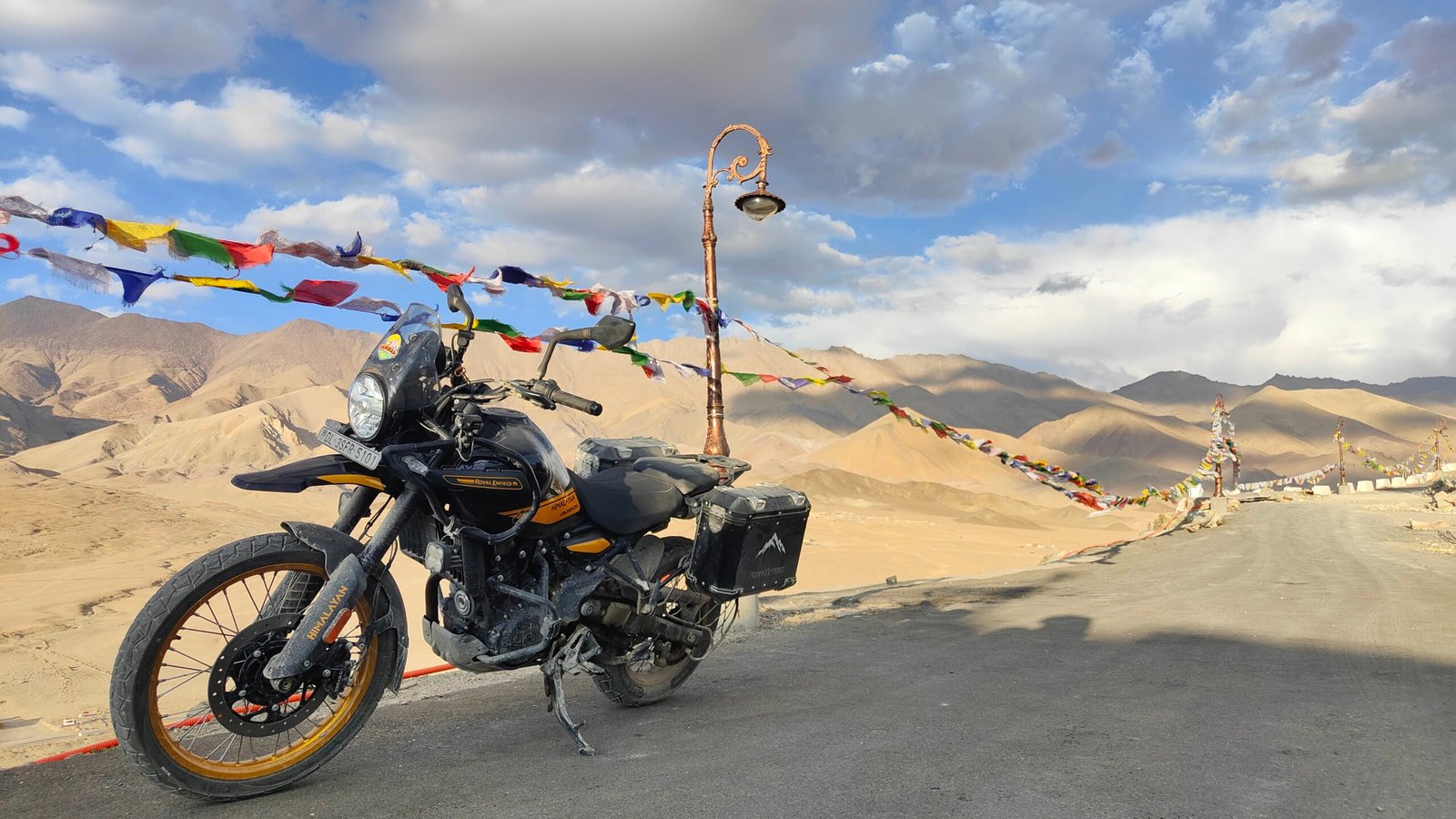
Ladakh Unbound — A Royal Adventure
10 Nights · 11 Days · Leh to Leh · Max Altitude 5,798m / 19,024ft · ~1,200 kms
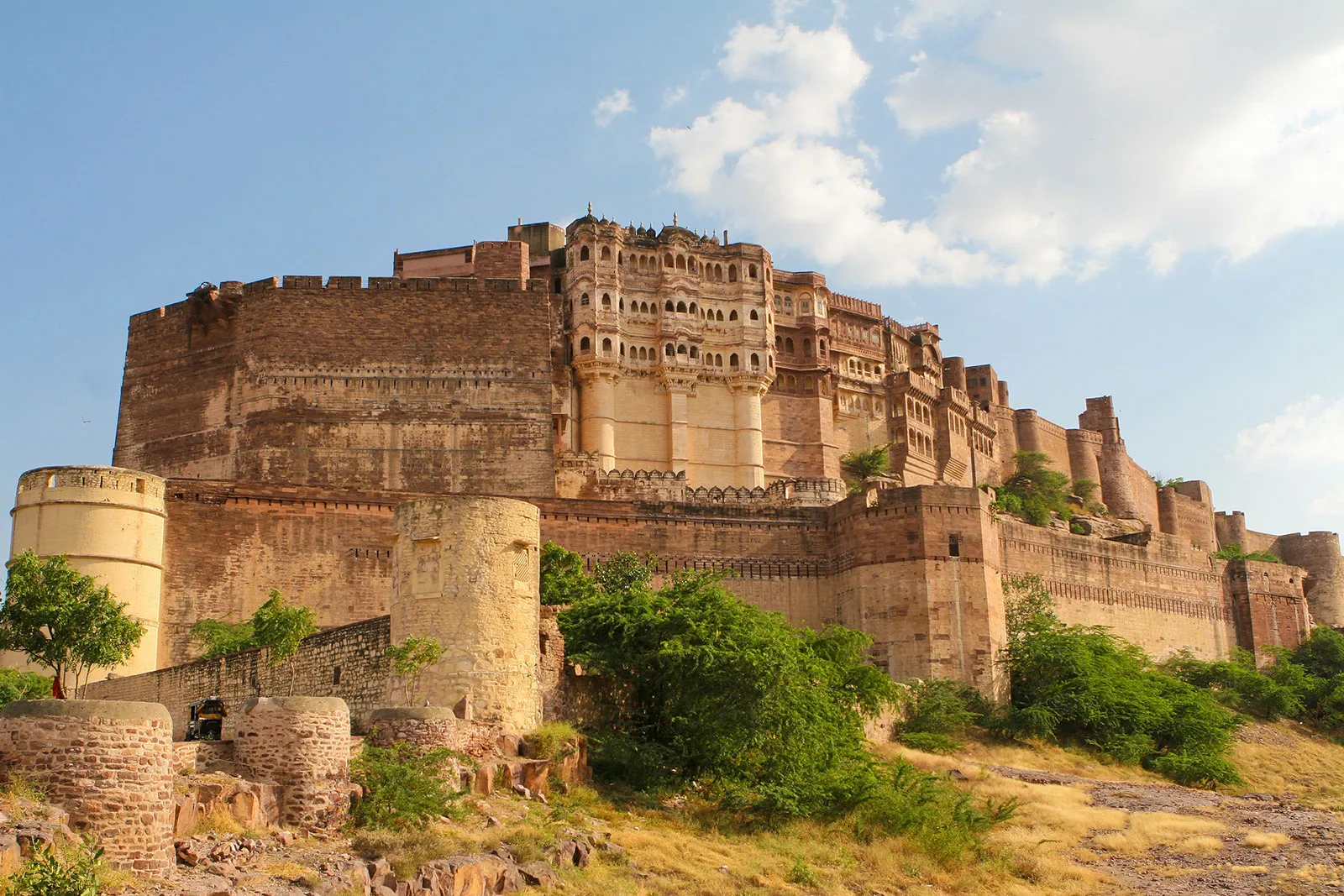
Rajasthan Unbound — A Royal Adventure
12 Nights · 13 Days · Delhi to Delhi · Max Altitude 595m / 1,952ft · ~2,200 kms
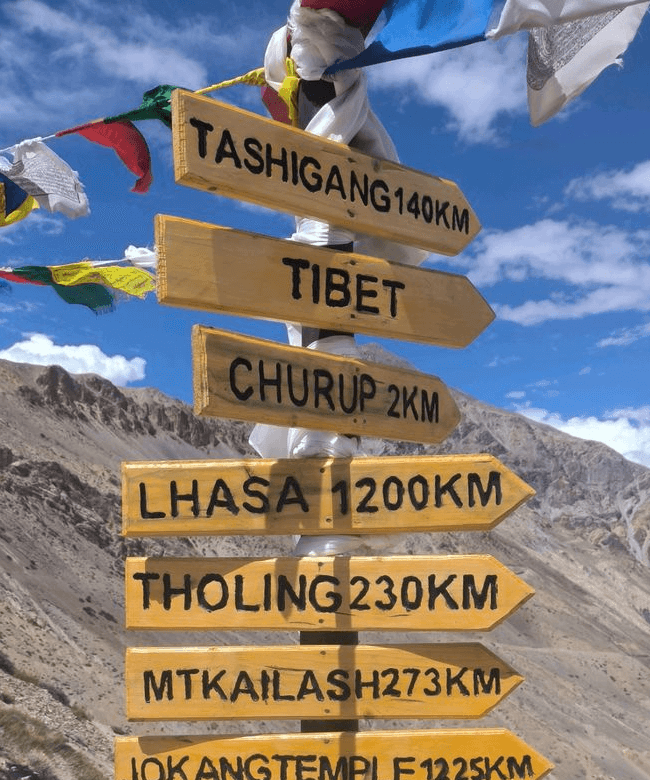
Northeast Unbound — India's Last Great Secret
11 Nights · 12 Days · Guwahati to Guwahati · Max Altitude 2,657m / 8,757ft · ~1,600 kms